Two worlds
One Melody
A Composer’s Unexpected Challenge

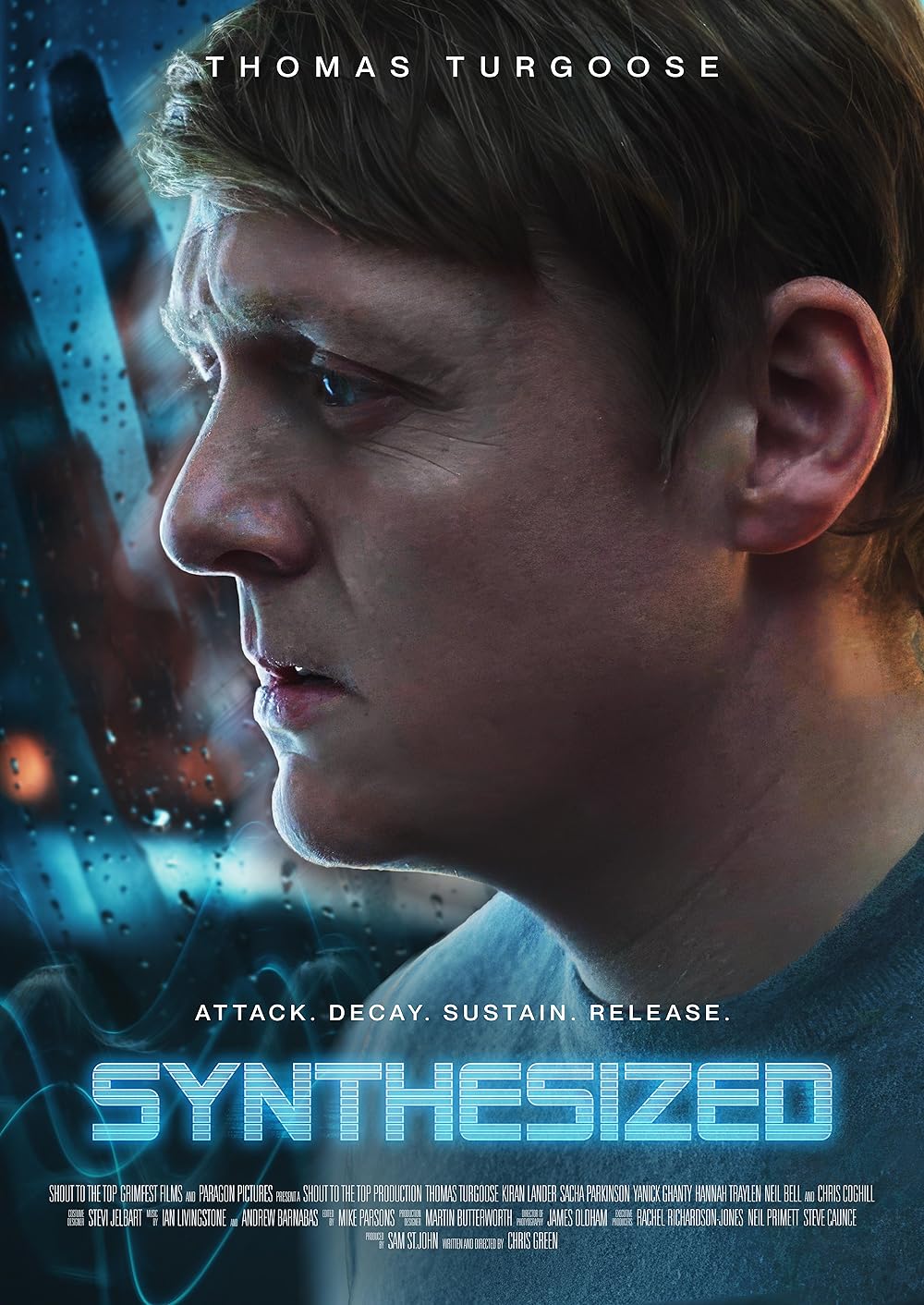
Synthesized had its world premiere in March 2026. A twisted romance / synth-soaked thriller starring Thomas Turgoose (This is England, Mickey 17) who just won Best Actor. A love letter to 80s music, I co-wrote the score with Ian Livingstone, collaborating with 80s legends Orchestral Manoeuvres in the Dark & Kim Wilde, along with ‘Look Mum No Computer’, who’ll be representing the UK in 2026 Eurovision song contest.
I can now talk about an unusual challenge I was posed during production…
“Barn, when scoring games have you ever written two cues using the same melody for different levels?”
“Sure,” I said. “What are you thinking?”
“I have an idea, one sequence showing a tender moment from her perspective - orchestral. And the other from his, this time in synths.”
So naturally I replied:
“How about we push it further. European 18th century classical and full blown 80s synthwave?”
“Perfect!”
This, I thought, would be easy. I’ve created action versions, underwater versions, eerie moonlit-forest versions of cues. That’s familiar territory.
I was wrong….
The Classical Cue: A Joy to Build
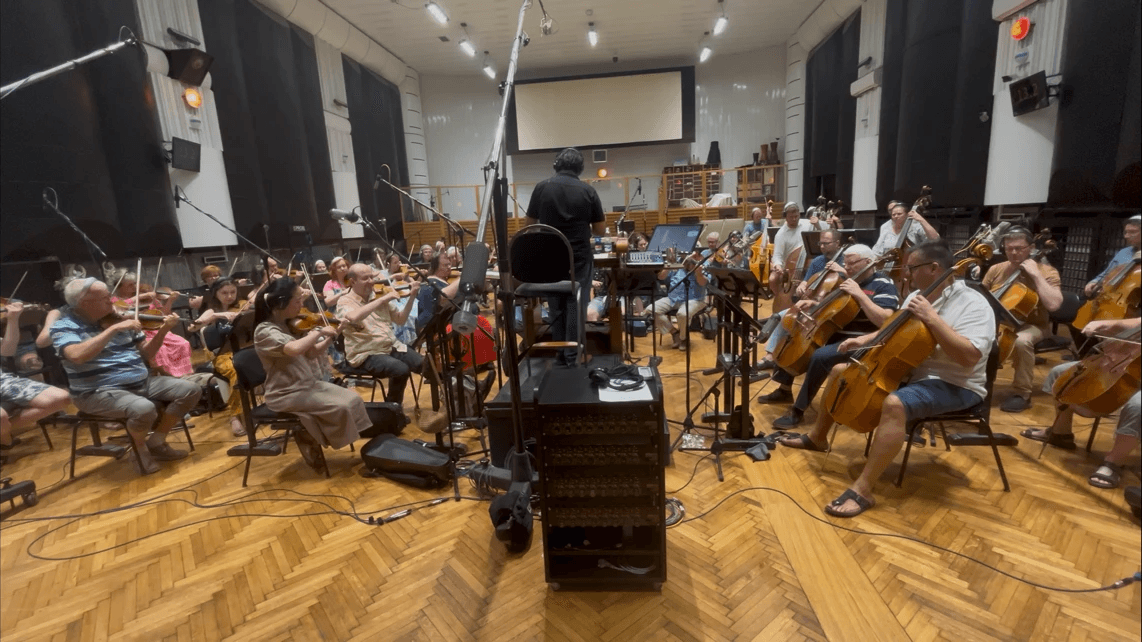
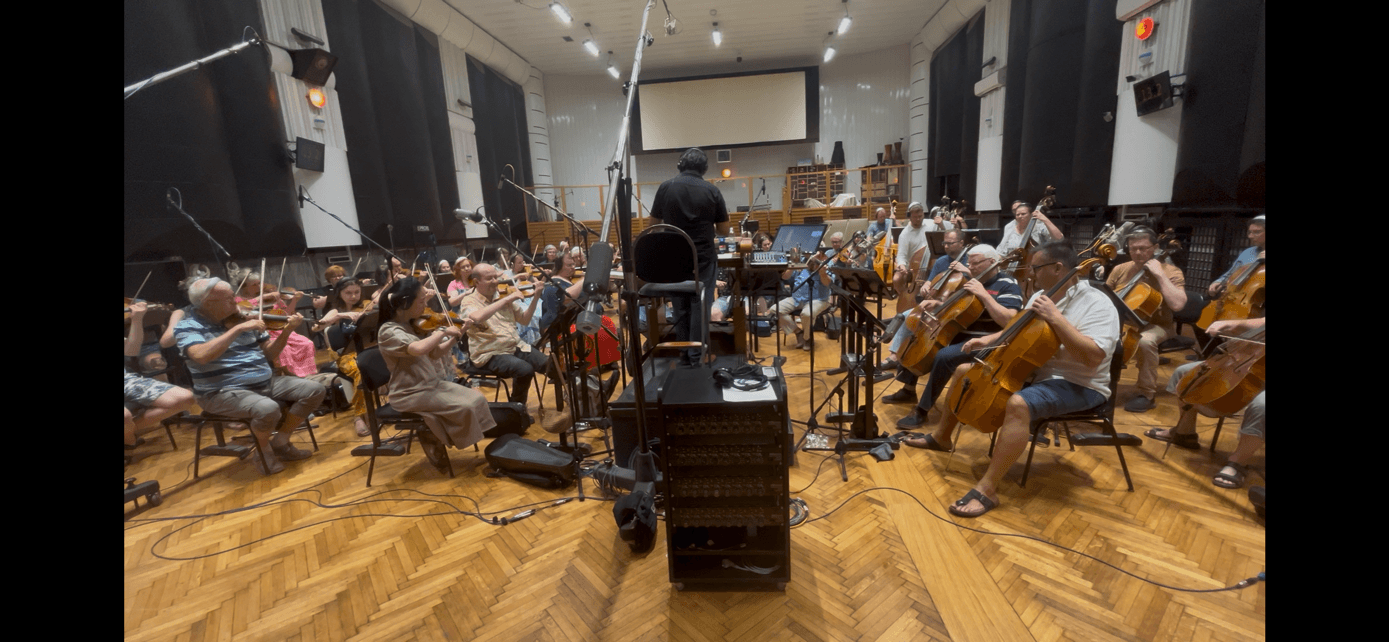
This was pure fun, leaning into my classical training:
Strings, timpani, soft horns
A–B–C–A structure built on a variation of the cycle of fifths
Introduce a violin-led theme ending on a warm major chord
And yes… a dash of marimba, simply because…
No harpsichord. You’re welcome.
That track came together like a dream.
The Synth Cue: Not So Simple
The synth track, however, refused to click.
I'm playing the same notes and rhythm, why doesn't it sound right? Maybe it's the tools. Using software versions of hardware synths, was that the issue? I was working with Ian who reminded me: modern software is insanely accurate and far more practical than hardware (which he also has). He was right.
What else could it be?
By version three, light bulb moment:
“Same notes, different sounds” is not how synthwave works.
Classical music thrives on harmonic movement. Synthwave thrives on repetition, texture, and slow-burn development. So I rebuilt the cue from scratch.
I dove back into the expressive synth world I grew up loving — Jarre, Vangelis, Kraftwerk — and rebuilt everything from fundamentals:
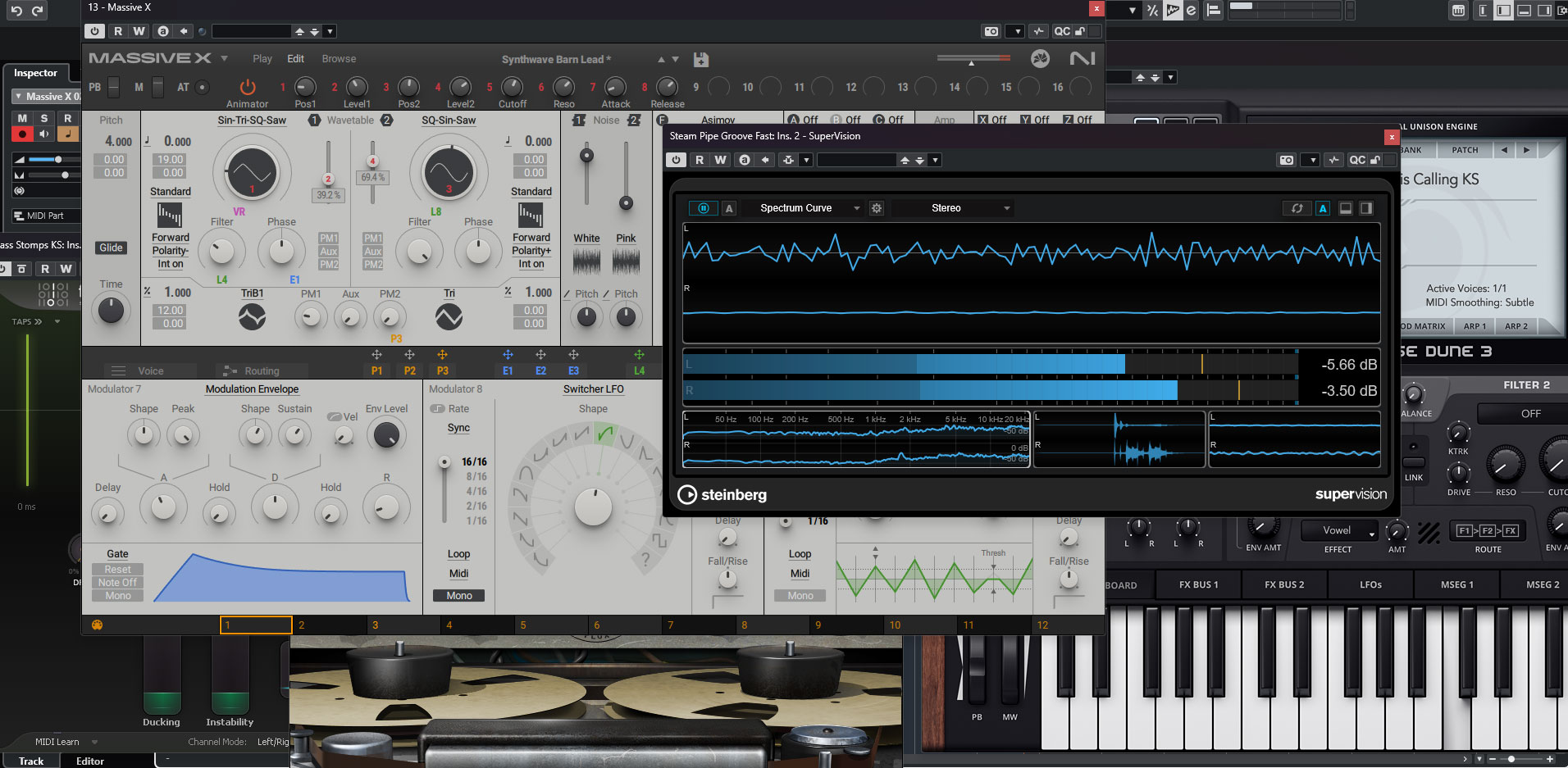
Custom patches from raw waveform oscillators
FX fully controllable in real time
Slower development, more atmosphere, more space
From there, it became all production craft:
LFOs tweaked, delays timed, side-chain and parallel compression applied, filters resonated, Linn drums tuned, reverbs gated, tapes saturated etc. The full synthwave toolkit.
This sounded much better….
What I learned
- The squarest peg into the roundest hole requires a different approach, re-orchestrating doesn't work.
- The notes played, the sounds used, the tempo, the key, production techniques, the mix
- Don't be afraid to change everything (almost!)
- I learned from updating MediEvil, what matters most is melody. That's what folks hum.
I was holding my breath waiting to hear what the director thought.
He loved it.
Phew!
Thanks for reading.